

The Best Home Office Chairs in Australia: Choosing Comfort for Remote Work



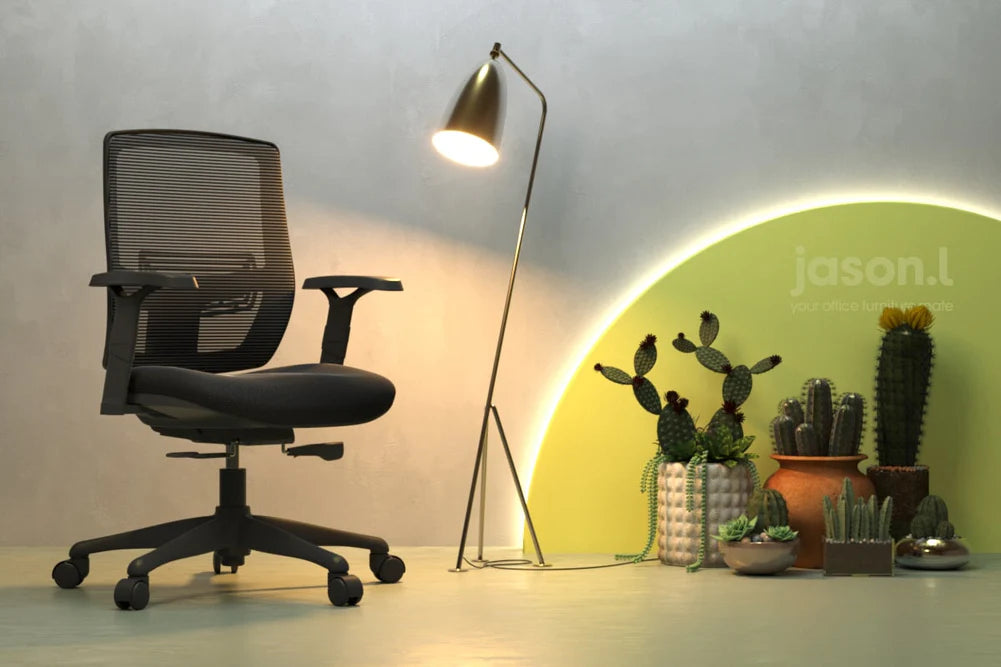
- Ergonomic support directly impacts posture, productivity, and long-term health in home workspaces
- Adjustable features and material quality determine comfort during extended daily sitting periods
- The right chair must match desk height, work habits, and available home office space
TL;DR
Choosing the right home office chair is about ergonomics, adjustability, and long-term support, not just appearance. For remote workers and SME owners, the right chair reduces fatigue, improves posture, and supports productivity. Focus on lumbar support, seat adjustability, and build quality to avoid ongoing discomfort and replacement costs.
What is a good home office chair?
A good home office chair supports your body through long working hours while adapting to your workspace.
Key features include:
- Adjustable seat height to align with your desk
- Built-in lumbar support to maintain spinal posture
- Breathable materials to manage heat over long sessions
- Stable base with smooth movement for daily use
- Armrests positioned to reduce shoulder strain
If you're browsing home office chairs, these features should be your baseline, not optional extras.
Why does your home office chair matter more than you think?
Most people underestimate how much time they spend sitting until discomfort starts affecting work.
A poor chair can lead to:
- Lower back pain from lack of lumbar support
- Neck strain from incorrect sitting height
- Reduced focus due to discomfort and fatigue
- Long-term posture issues that impact health
For SME owners working remotely, this translates directly into lost productivity and avoidable health costs.
Pairing your chair with the right home office desks ensures your full setup works together, not against you.
What types of home office chairs are available?
Not all chairs are built for the same use case. Understanding categories helps narrow your options faster.
Ergonomic chairs
- Designed for long hours with full adjustability
- Ideal for full-time remote work
- Often include lumbar support and tilt mechanisms
Browse ergonomic chairs if you work 6-10 hours daily.
Mesh chairs
- Breathable backrest improves airflow
- Lightweight and modern design
- Suitable for warmer climates or smaller spaces
Explore mesh chairs for comfort without heat build-up.
Executive chairs
- Larger, padded design with premium finishes
- High back support for posture stability
- Suitable for hybrid home-office setups
Consider executive office chairs for a more formal workspace feel.
Task chairs
- Compact and functional
- Ideal for smaller home offices
- Basic adjustability with cost efficiency
View task chairs for budget-conscious setups.
How do you choose the right home office chair?
Choosing the right chair is a practical decision based on how you work, not just how it looks.
Step-by-step selection checklist
1. Match chair height to desk height
- Knees should sit at 90 degrees
- Feet flat on the floor
- Works best with adjustable desks like height adjustable desks
2. Prioritise lumbar support
- Supports natural spine curve
- Reduces lower back strain
- Essential for long working hours
3. Check seat depth and width
- Allows 2-4 cm gap behind knees
- Prevents circulation issues
4. Look for adjustable armrests
- Keeps shoulders relaxed
- Reduces neck strain
5. Consider material and durability
- Mesh for airflow
- Fabric for comfort
- Leather for durability and style
How long should a home office chair last?
A quality chair should last 5-10 years depending on usage and build quality.
Factors affecting lifespan:
- Daily usage hours
- Weight capacity and build strength
- Material quality
- Maintenance and care
Cheap chairs often fail within 12-24 months, leading to higher long-term costs.
Investing in proper office chairs reduces replacement frequency and improves comfort immediately.
What other setup factors affect chair comfort?
Your chair is only one part of your overall workspace.
To maximise comfort:
- Use monitor arms to position screens at eye level
- Add proper cable management to reduce clutter
- Ensure desk depth allows correct viewing distance
- Consider footrests or ergonomic accessories if needed
A complete setup prevents compensating posture habits that lead to pain.
Who should invest in a better home office chair?
This is not just for corporate setups. It directly applies to:
- SME owners running operations from home
- Remote employees working full-time
- Hybrid workers splitting time between home and office
- Students or freelancers with extended desk hours
If you sit for more than 4 hours per day, your chair becomes a productivity tool, not just furniture.
Why JasonL is trusted. Built for reliability. Delivered without delays.
JasonL focuses on practical, ready-to-deploy furniture solutions for Australian businesses and home offices.
- 3-5 working day delivery on stocked items
- Australia-wide coverage including metro and regional areas
- Large in-stock range across office furniture categories
- Professional installation available for full setups
- 10-year structural warranty on selected products
Whether you're upgrading a single chair or planning a full office fitout, the focus is speed, reliability, and long-term use.
Frequently asked questions
What is the best chair for working from home full-time?
An ergonomic chair with adjustable lumbar support, seat height, and armrests is best for full-time use. It reduces strain and improves posture over long hours. Avoid fixed or non-adjustable chairs, as they limit flexibility. Mesh-backed ergonomic models are often ideal for all-day comfort.
Are expensive office chairs worth it?
Yes, if you sit for extended periods. Higher-quality chairs last longer, provide better support, and reduce health issues. Cheaper chairs may save upfront costs but often lead to discomfort and early replacement. Over time, a good chair is more cost-effective.
How do I know if my chair is the wrong height?
If your feet don’t sit flat on the floor or your knees are not at a 90-degree angle, the height is incorrect. You may also feel pressure under your thighs or strain in your shoulders. Adjustability is key to solving this.
Should I choose mesh or padded chairs?
Mesh chairs are better for airflow and long sessions in warm environments. Padded chairs offer more cushioning and a premium feel. The choice depends on climate, usage time, and personal comfort preference.
Do I need armrests on a home office chair?
Yes, especially if you type frequently. Armrests support your arms and reduce shoulder tension. Adjustable armrests are ideal as they allow proper alignment with your desk height.
How can I improve my posture while working from home?
Use a chair with lumbar support, position your monitor at eye level, and keep your feet flat on the floor. Pairing your chair with ergonomic accessories improves posture significantly. Small adjustments make a noticeable difference over time.
Can a chair alone fix back pain?
No, but it plays a major role. A good chair supports proper posture, but your desk height, monitor position, and sitting habits also matter. A complete ergonomic setup is the most effective solution.
What is the best budget option for a home office chair?
Task chairs are typically the most affordable option. Look for basic adjustability and decent lumbar support. Avoid extremely cheap models with no support features, as they often lead to discomfort.
If you're setting up or upgrading your workspace, investing in the right chair is one of the most practical decisions you can make. It directly impacts how you work every day, not just how your office looks.