

5 Signs it’s time for a furniture refresh in your Perth office



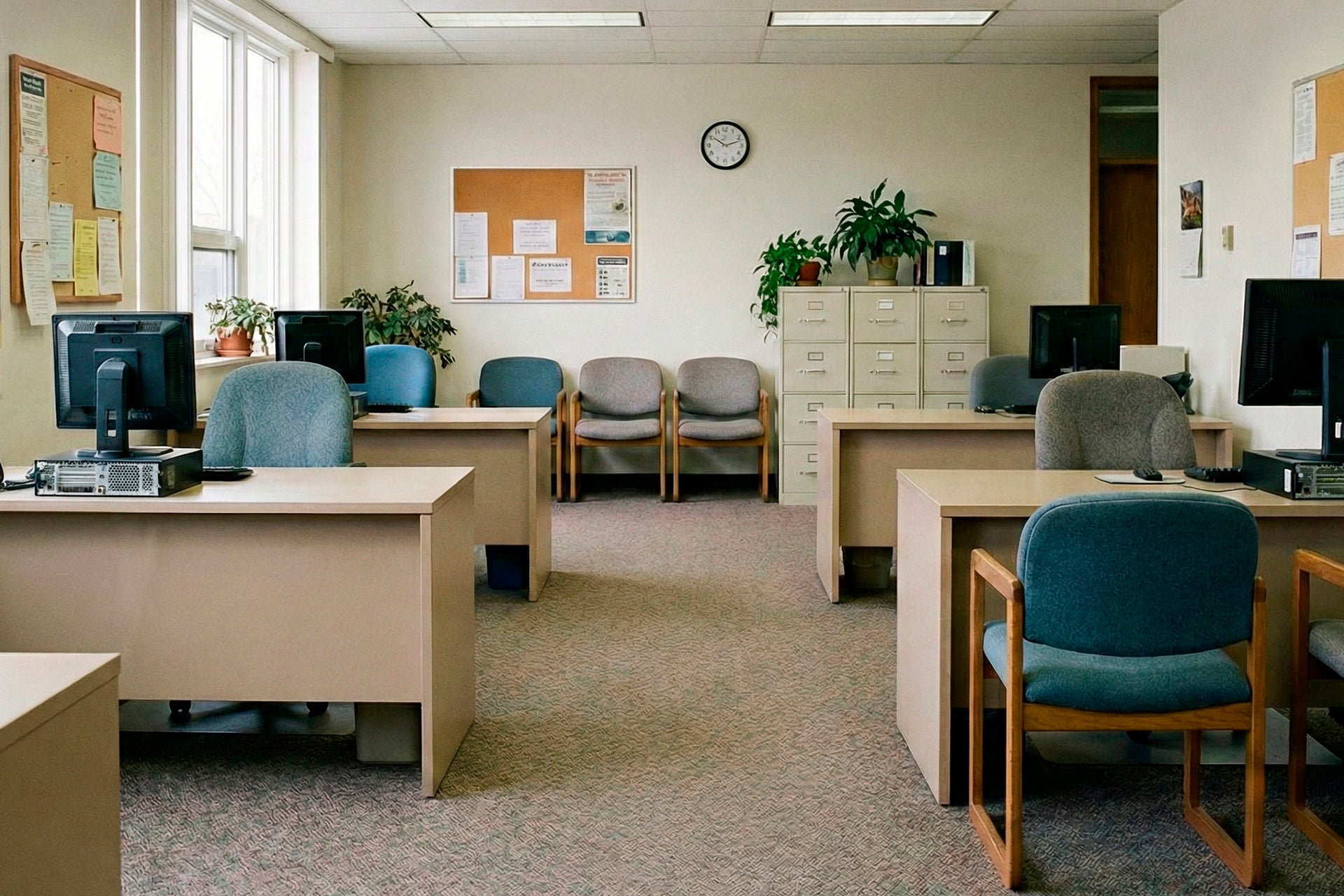
Office furniture quietly shapes how your business operates. It influences comfort, productivity, morale and even how people perceive your brand. When everything is working as it should, furniture blends into the background. When it isn’t, it becomes a daily obstacle.
Many businesses delay refreshing their furniture because it still “technically works”. But over time, small issues add up. Comfort drops, layouts become inefficient and the office starts to feel harder to work in than it needs to be.
If you’re unsure whether it’s time to act, these five signs will help you decide. Each one highlights how furniture affects your team and why a refresh can deliver more value than you might expect in your Perth office.
1. Are aches, pains and complaints becoming the norm? Comfort should not be optional
Discomfort is usually the first and most obvious warning sign. It rarely appears overnight. Instead, it creeps in slowly as furniture wears down and no longer provides the support it once did.
You might hear casual comments about sore backs or stiff necks, or notice people constantly shifting in their seats. These are not just personal preferences, they’re signs that furniture is no longer supporting the body properly.
Common comfort-related red flags include:
- Office chairs that no longer adjust smoothly or stay locked in place
- Flattened seat cushioning or weak back support
- Office desks that force awkward arm or screen positions
- Staff bringing in their own cushions or accessories
When comfort drops, focus often follows. People see more distractions, fatigue sets in earlier and small aches can turn into ongoing issues. Over time, this can affect wellbeing, engagement and even attendance.
Refreshing your office furniture with ergonomic seating and properly sized desks helps restore comfort and consistency across the office. The result is a workspace that supports people through a full day of work, not just the first few hours.
Big takeaway: discomfort is a clear signal that your furniture is no longer fit for purpose.
2. Does your office look tired or outdated? First impressions still matter
Your office environment speaks volumes before anyone says a word. Furniture that looks worn, mismatched or dated can quietly undermine how professional and organised your business appears.
This matters externally, but it also matters internally. Teams spend a significant part of their week in the office, and a tired-looking space can subtly affect motivation and pride in the workplace.
Signs your furniture is dating the space:
- Scratched desktops, chipped edges or faded finishes
- Inconsistent office chairs gathered over years of replacements
- Bulky furniture that overwhelms the room
- Colours or styles that no longer reflect your brand
Outdated furniture can make even a well-run business feel behind the times. A refresh doesn’t need to be dramatic to make a difference. Clean lines, cohesive finishes and furniture that suits the scale of the space can instantly lift the overall feel.
A refreshed office sends a clear message that your business is current, professional and invested in its environment.
Big takeaway: when your furniture looks sharp, your whole business looks sharper.
3. Is your space working against how your team works? Layout should support, not frustrate
Workstyles have evolved, but many offices are still set up for how people worked years ago. If your furniture locks you into a layout that no longer fits your team, everyday tasks can feel harder than they should.
You may notice people adapting the space themselves, holding meetings where they can, or avoiding certain areas altogether. These are signs the layout isn’t supporting real workflows.
Furniture-related layout issues often show up as:
- A lack of informal meeting or collaboration spaces
- Desks taking up more room than necessary
- Limited quiet areas for focused work
- Office storage eating into valuable floor space
Furniture plays a major role in how flexible and functional an office feels. A refresh gives you the chance to realign the space with how your team actually works today. That might mean introducing more collaborative seating, streamlining desk layouts or creating clearer zones for different tasks.
The right furniture makes the space easier to use without increasing its size.
Big takeaway: when furniture matches workflow, productivity feels more natural.
4. Are you struggling to attract or keep staff? Your office plays a bigger role than you think
People don’t just choose jobs based on roles and salaries. The work environment matters, even if it’s not always discussed openly. An uncomfortable or uninspiring office can slowly erode satisfaction over time.
Furniture is a big part of that experience. Seating, breakout areas and shared spaces all influence how people feel throughout the day.
An office that struggles to support people often shows signs like:
- Staff preferring to work from home to avoid the office
- Common areas that feel empty or unused
- Feedback around comfort during onboarding
- Low energy in shared spaces
Refreshing furniture shows that you value your team’s wellbeing and day-to-day experience. Comfortable seating, inviting breakout spaces and furniture that suits different tasks all contribute to a more positive workplace.
This doesn’t mean creating a luxury space. It means creating one that feels considered, functional and supportive.
Big takeaway: better furniture helps turn the office into a place people want to be.
5. Is maintenance becoming a headache? Old furniture often costs more in the long run
Another clear sign it’s time for a refresh is constant upkeep. When furniture is past its prime, small issues become frequent distractions.
You might be dealing with:
- Wobbly office chairs or uneven office desks
- Office drawers that stick or won’t close properly
- Surfaces that are hard to clean or repair
- Inconsistent furniture quality across the office
These issues cost more than money. They take time, interrupt work and create frustration. Over time, patching up old furniture often ends up costing more than replacing it with durable, commercial-grade pieces.
New furniture is designed to handle daily use, making it easier to maintain and more reliable long-term. That consistency alone can make a noticeable difference to how smoothly the office runs.
Big takeaway: constant fixes are usually a sign it’s time to replace, not repair.
What a furniture refresh really delivers
Refreshing your office furniture is about more than appearances. It’s about creating a workspace that supports your people and your business goals.
The benefits often include:
- Improved comfort and focus
- Better use of available space
- A more professional, cohesive look
- Higher morale and engagement
- Furniture that grows with your business
A refresh can be phased, targeted and tailored to your priorities. You don’t need to change everything at once to see real results.
Ready for a refresh? The right furniture makes all the difference
If several of these signs feel familiar, your furniture may be holding your office back more than you realise. A considered refresh can transform how your space looks, feels and functions without unnecessary disruption.
When furniture works properly, it supports your team, reflects your brand and helps your business move forward with confidence.