

How to organise your office for maximum productivity
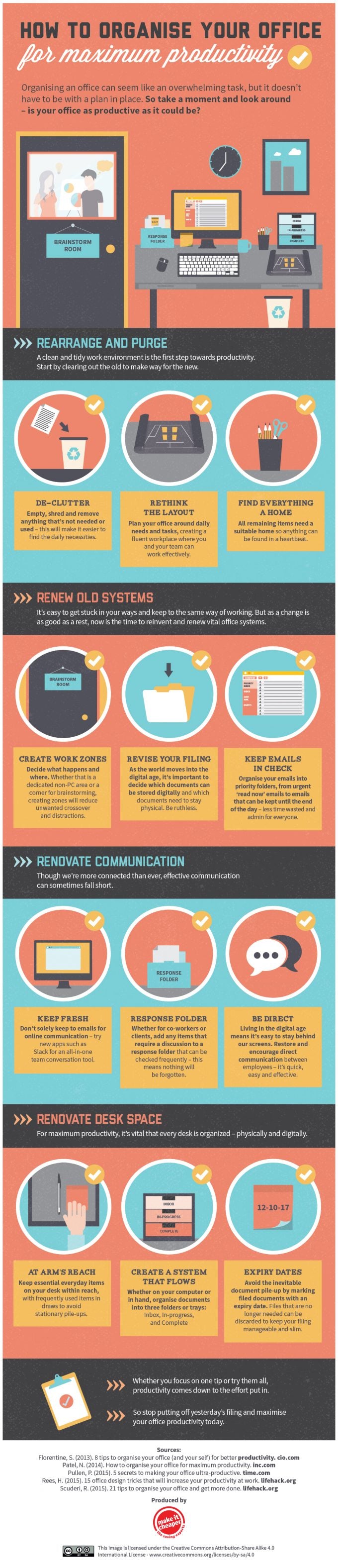
Summary
- Structured office organisation reduces clutter, improves workflow efficiency, and minimises daily distractions
- Defined work zones and proper storage systems increase focus and reduce time wasted searching for items
- Combining layout planning with ergonomic furniture improves comfort, productivity, and long-term usability
TL;DR
Organising your office improves productivity by reducing clutter, streamlining workflows, and creating a structured environment. The most effective setups combine clear zoning, practical storage, and ergonomic furniture. For SMEs and home offices, small changes to layout and organisation can significantly improve efficiency, focus, and daily output without requiring a full redesign.
Why does office organisation impact productivity?
- Time wasted searching for documents or tools
- Visual clutter that reduces focus
- Inefficient workflows and unnecessary movement
- Increased stress and mental fatigue
A structured workspace removes these barriers and supports consistent performance.
What are the key principles of an organised office?
- Keep Frequently Used Items Within Reach
- Assign A Fixed Place For Everything
- Minimise Desk Clutter
- Separate Tasks Into Defined Zones
- Maintain Consistency Across The Workspace
How to organise your office step by step
- Clear Your Desk Completely
- Identify Daily-Use Items
- Remove Or Store Non-Essential Items
- Assign Storage Locations For Everything
- Set Up Task-Based Work Zones
- Implement Cable And Power Management
Using structured office storage ensures long-term organisation rather than temporary fixes.
How should you organise your desk for productivity?
- Keep Only Essential Items On The Surface
- Position Monitor At Eye Level
- Store Documents In Drawers Or Trays
- Keep Frequently Used Tools Within Arm’s Reach
- Maintain Clear Space For Active Work
Choosing the right office desks helps support these setups.
What storage solutions improve office organisation?
- Drawers For Daily-Use Items
- Filing Cabinets For Documents
- Cabinets For Bulk Storage
- Shelving For Easy Access Items
Explore options like:
How do work zones improve productivity?
- Computer Work Zone
- Paperwork Or Admin Zone
- Storage Zone
- Meeting Or Collaboration Area
For larger setups, structured office workstations help maintain consistency across teams.
How does cable management improve organisation?
- Cleaner desk appearance
- Easier access to equipment
- Reduced risk of damage or disconnection
- Improved workspace safety
Using cable management and integrated power and data management systems simplifies setup.
What role does ergonomics play in office organisation?
- Proper Chair And Desk Height Alignment
- Correct Screen Positioning
- Easy Access To Frequently Used Items
- Reduced Reaching And Strain
Pairing organisation with ergonomic chairs improves both comfort and productivity.
What are common office organisation mistakes?
- Keeping Too Many Items On The Desk
- No Defined Storage System
- Ignoring Cable Management
- Poor Layout Planning
- Inconsistent Organisation Habits
Why JasonL is trusted. Built for reliability. Delivered without delays.
- 3–5 working day delivery on stocked furniture and storage
- Australia-wide coverage across metro and regional areas
- Large in-stock range of desks, storage, and accessories
- Professional installation available for office setups
- 10-year structural warranty on selected products
From simple upgrades to full office fitouts, the focus is on efficient, functional workspaces.
How JasonL compares to other suppliers. Clear differences. No noise.
Buyer decision snapshot
- Faster delivery supports quick workspace organisation improvements
- Broad product range allows complete setups in one purchase
- In-stock availability reduces delays during upgrades
- Installation support ensures correct layout and setup
- Warranty coverage improves long-term value
| Criteria | JasonL | Large national office supplier |
|---|---|---|
| Product availability | Large in-stock range | Often made-to-order |
| Delivery timeframe | 3–5 working days | 2–8+ weeks common |
| Storage range | Comprehensive and integrated | Often fragmented |
| Installation support | Available | Often outsourced |
| Fitout capability | End-to-end solutions | Typically supply only |
| Warranty | Up to 10 years structural | Varies |
| Best suited for | SMEs, home offices | Enterprise procurement |
FAQs
How do I organise a small office space?
Focus on vertical storage, minimise desk clutter, and use multi-functional furniture. Efficient layout matters more than size.
What is the most important part of office organisation?
Consistency. Having a system is important, but maintaining it daily is what delivers long-term results.
How often should I reorganise my office?
Review your setup monthly and adjust as needed. Small, regular updates prevent clutter from building up.
Can office organisation really improve productivity?
Yes. A structured workspace reduces distractions, saves time, and improves focus throughout the day.
What furniture helps keep an office organised?
Desks with storage, filing cabinets, shelving, and cable management systems all contribute to better organisation.
Should everything be stored away?
No. Frequently used items should remain accessible. The goal is balance between accessibility and clutter reduction.
Is office organisation important for home offices?
Yes. Home offices often have limited space, making organisation critical for maintaining productivity and separation from personal areas.