

Why you want lumbar support in your next office chair



Summary
- Lumbar support maintains natural spinal alignment, reducing lower back strain during prolonged sitting
- Proper support improves posture, reduces fatigue, and increases daily comfort and focus
- Choosing chairs with adjustable lumbar features ensures suitability across different users and workstyles
TL;DR
Lumbar support is essential for maintaining healthy posture during long periods of sitting. It supports the natural curve of the lower spine, reducing strain and fatigue. For SMEs and home offices, choosing office chairs with proper lumbar support improves comfort, productivity, and long-term wellbeing without requiring complex ergonomic setups.
What is lumbar support in an office chair?
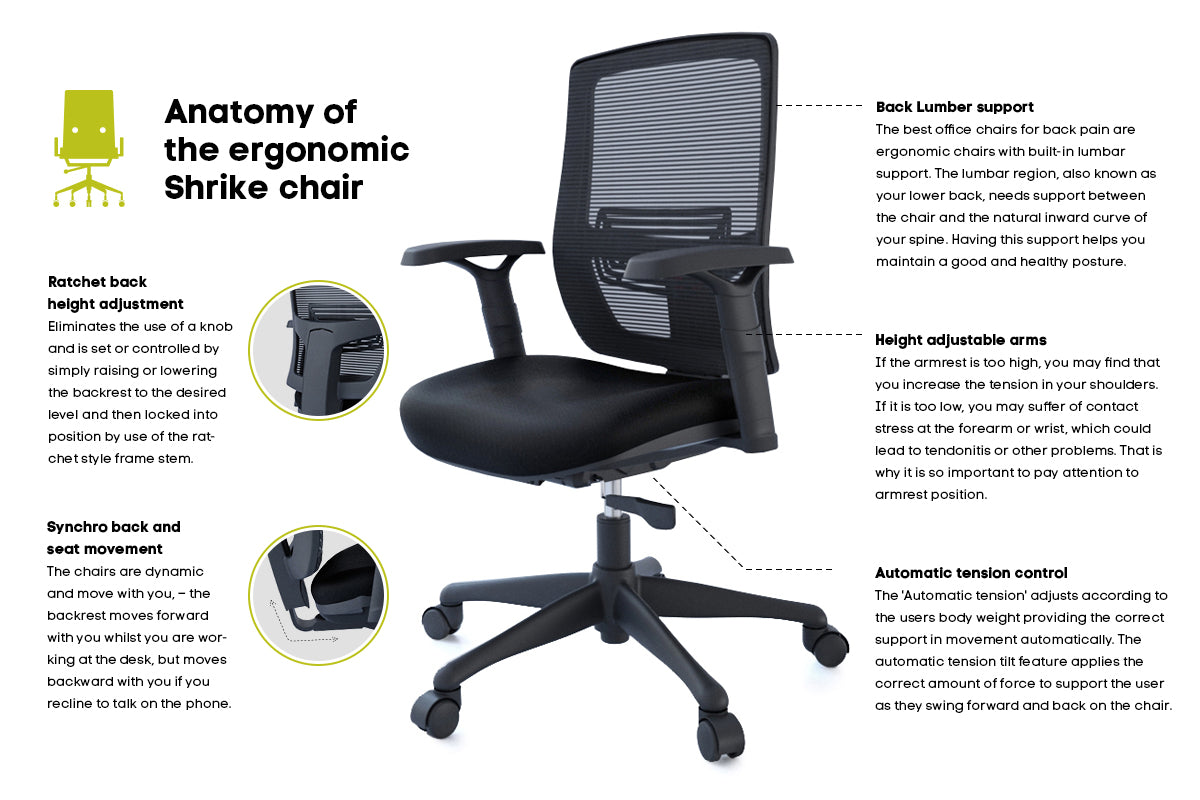
Lumbar support refers to the feature in a chair that supports the lower back, specifically the inward curve of the spine.
Quality office chairs with lumbar support are designed to:
- Maintain the natural curve of the spine
- Reduce pressure on the lower back
- Support upright, neutral posture
- Prevent slouching over time
Why is lumbar support important for posture?
- Keeps the spine in a neutral position
- Reduces muscle fatigue in the lower back
- Prevents slouching and forward leaning
- Supports long-term spinal health
How does lumbar support improve productivity?
1. Reduces discomfort and distractions
- Less shifting and repositioning
- Fewer breaks due to discomfort
- Improved focus on tasks
2. Supports longer working periods
- Maintain consistent posture
- Experience less fatigue
- Work more efficiently throughout the day
3. Improves overall wellbeing
- Reduced risk of chronic back pain
- Improved circulation
- Higher daily energy levels
Using dedicated ergonomic chairs enhances these benefits further.
What happens without proper lumbar support?
- Slouched posture
- Lower back pain and stiffness
- Increased pressure on spinal discs
- Reduced concentration due to discomfort
What types of lumbar support should you look for?
- Adjustable Height To Match Spine Position
- Adjustable Depth Or Firmness
- Built-In Contoured Backrests
- Dynamic Support That Moves With You
How to position lumbar support correctly
- Position Support At The Curve Of Your Lower Back
- Sit Fully Back Against The Chair
- Keep Feet Flat On The Floor
- Maintain A Slight Recline (100–110 Degrees)
- Align Desk And Screen Height
Pairing with suitable office desks ensures full ergonomic alignment.
Who should prioritise lumbar support?
- Office workers sitting for extended hours
- Remote workers and home office setups
- SMEs focused on employee wellbeing
- Anyone experiencing back discomfort during work
It is a key consideration in any ergonomic office fitout.
What accessories support better lumbar posture?
- Monitor Arms For Correct Screen Positioning
- Footrests For Improved Sitting Alignment
- Seat Cushions Or External Lumbar Supports
- Cable Management To Reduce Desk Clutter
Explore options like:
Why JasonL is trusted. Built for reliability. Delivered without delays.
- 3–5 working day delivery on stocked chair ranges
- Australia-wide coverage across metro and regional areas
- Large in-stock range of ergonomic and task seating
- Professional installation available for office setups
- 10-year structural warranty on selected products
From single upgrades to complete office furniture solutions, the focus is on speed and usability.
How JasonL compares to other suppliers. Clear differences. No noise.
Buyer decision snapshot
- Faster delivery allows quick ergonomic improvements across teams
- Broad chair range supports different body types and needs
- In-stock availability reduces delays for essential seating
- Integrated solutions align chairs with desks and accessories
- Warranty coverage supports long-term reliability
| Criteria | JasonL | Large national office supplier |
|---|---|---|
| Chair availability | Large in-stock range | Often made-to-order |
| Delivery timeframe | 3–5 working days | 2–8+ weeks common |
| Ergonomic features | Adjustable lumbar and full support options | Varies |
| Installation support | Available | Often outsourced |
| Fitout capability | End-to-end solutions | Typically supply only |
| Warranty | Up to 10 years structural | Varies |
| Best suited for | SMEs, home offices | Enterprise procurement |
FAQs
Is lumbar support really necessary in an office chair?
Yes. It supports the natural curve of your spine and prevents lower back strain during long periods of sitting.
Can I add lumbar support to an existing chair?
Yes. External lumbar cushions can improve support, but built-in adjustable support is more effective.
How do I know if lumbar support is positioned correctly?
It should fit into the curve of your lower back and feel supportive without pushing you forward.
Are all ergonomic chairs equipped with lumbar support?
Most are, but the quality and adjustability vary. Look for adjustable features for best results.
Can lumbar support reduce back pain?
Yes. Proper support helps maintain posture and reduces strain, which can alleviate or prevent back pain.
Should lumbar support be firm or soft?
It should be supportive but comfortable. Adjustable firmness is ideal to suit different preferences.
Do standing desks replace the need for lumbar support?
No. Sitting is still part of the workday, so proper lumbar support remains essential even with standing desks.